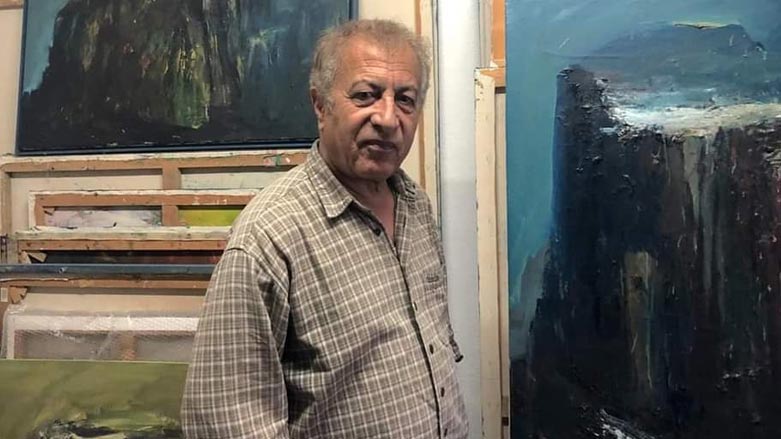
Born in 1954 in Duhok, Iraqi Kurdistan, Walid Siti graduated from the Institute of Fine Arts in Baghdad in 1976. He subsequently moved to Slovenia to continue his artistic education at the Academy of Fine Arts in Ljubljana, where he completed both his BA and MA in Printmaking in 1982. After applying for political asylum in the United Kingdom in 1984, Siti settled in London, where he has lived and worked ever since.
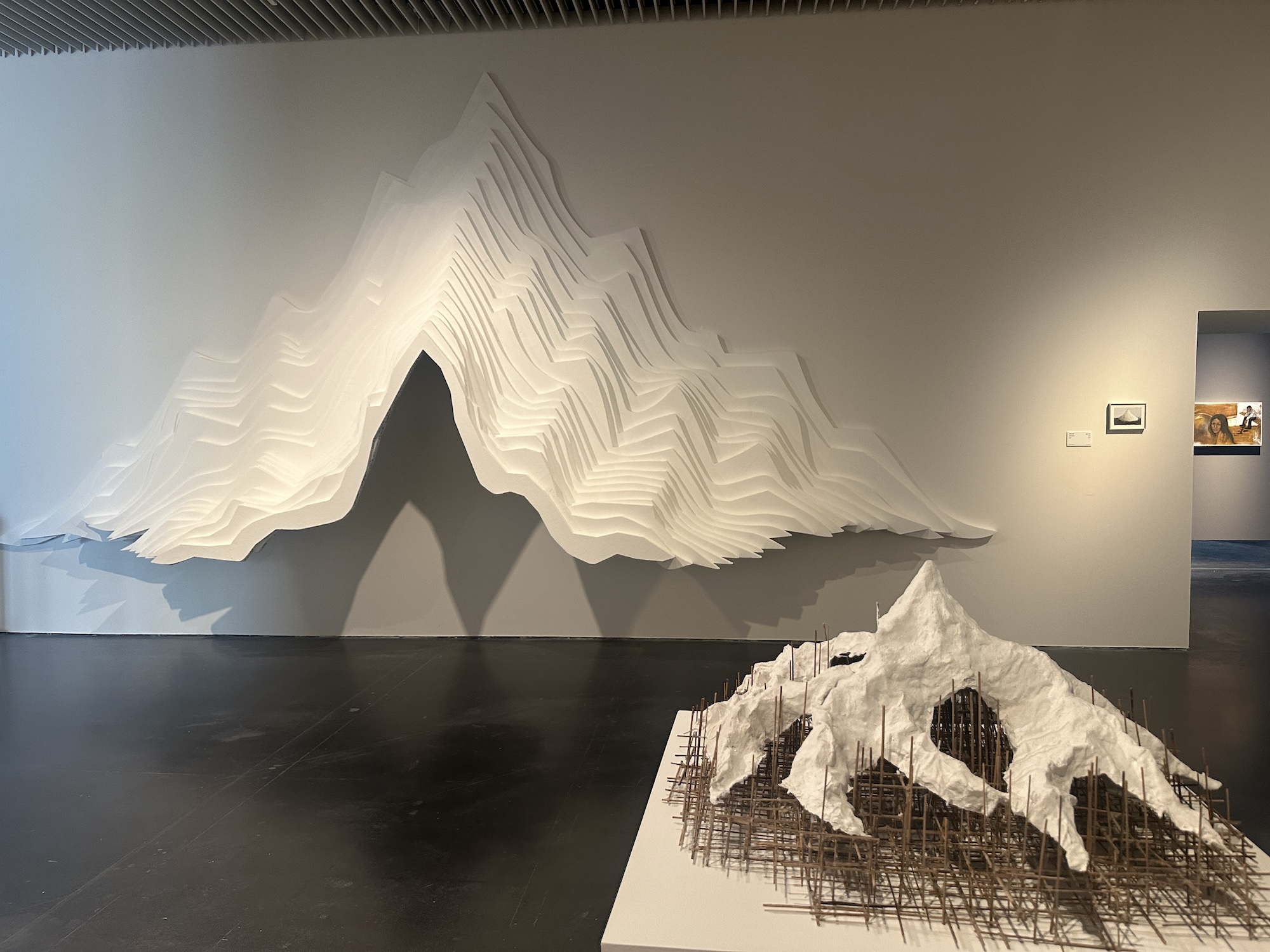
Initially trained as a printmaker, Siti gradually expanded his practice to encompass painting, drawing, works on paper, sculpture, video, and installation. His work engages with themes of memory, loss, exile, migration, borders, belonging, and collective identity. Throughout his practice, the cultural legacy of his birthplace intersects with the social and political realities shaped by war, militarism, and displacement. Mountains, rivers, towers, and historical architectural forms feature prominently in his work. Rather than serving simply as representations of place, these motifs function as carriers of collective memory and material markers of shifting identities. The mountains of Kurdistan in particular, viewed through the lens of Siti’s experience of exile, become vehicles through which a lost geography is reconstructed in memory. Through both natural landscapes and built environments, Siti explores the relationship between collective memory and lived experience.
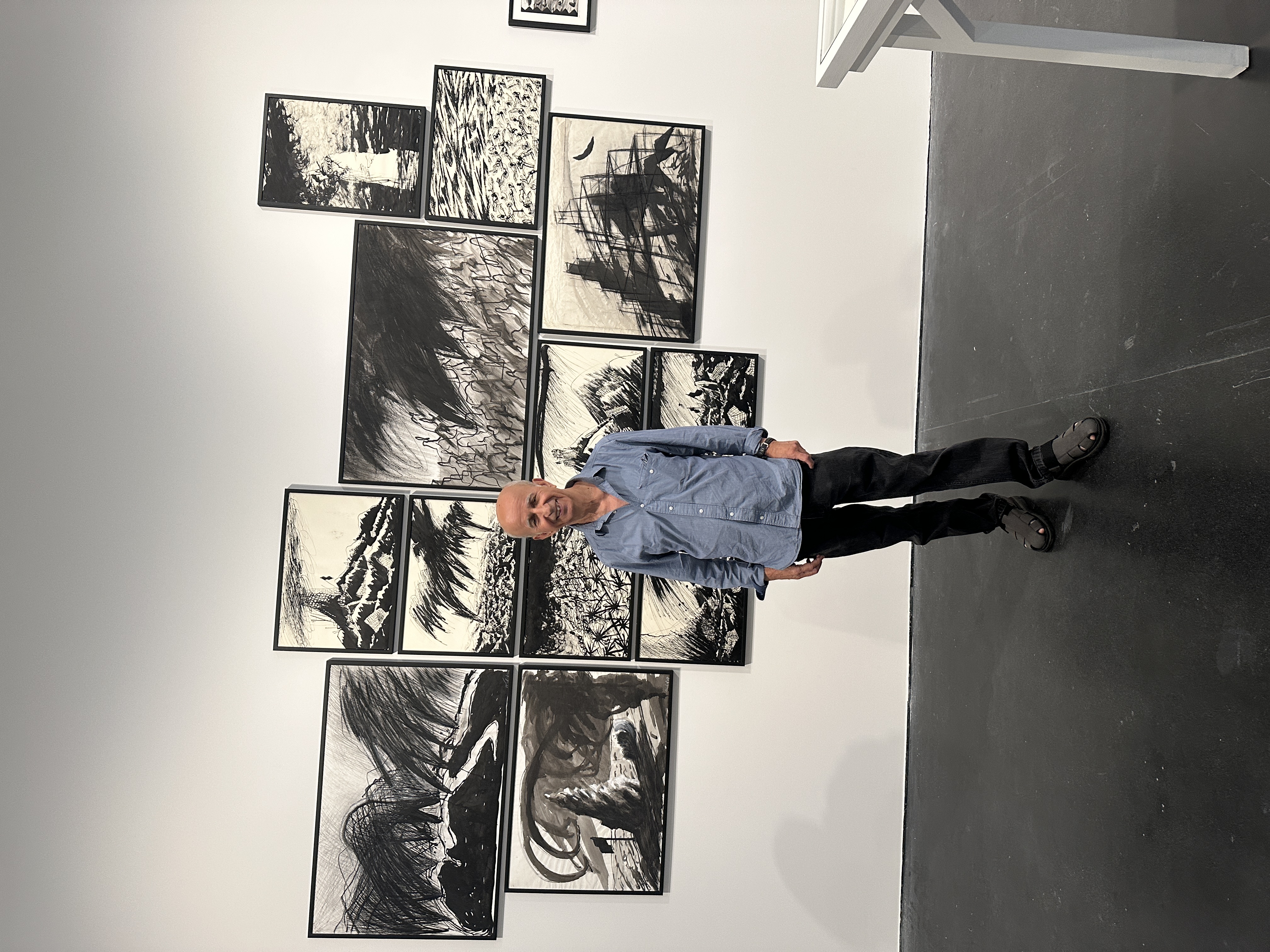
The effects of war and exile are especially evident in Siti’s early work. While living in London during the Iran-Iraq War (1980–1988), he produced the War Series, a body of drawings and prints created in response to the conflict in his homeland and, in particular, to the chemical attacks that culminated in the Halabja Massacre. Dating from the mid-1980s, these works do not directly document the devastation of war; instead, they translate the feelings of helplessness, fear, and loss associated with witnessing events from afar into a powerful visual language.
Siti has exhibited internationally at venues and exhibitions including the Venice Biennale, Sharjah Biennial, the British Museum, the Imperial War Museum, Martin-Gropius-Bau, and numerous other institutions worldwide. He was awarded the Sharjah Biennial Prize in 2017. His works are held in major public and private collections, including The Metropolitan Museum of Art, the British Museum, the Imperial War Museum, the Victoria and Albert Museum, Sharjah Art Foundation, and Barjeel Art Foundation.