FIREZZ’s First Comprehensive Artist Dossier
To expand its research, critical discourse, and archival work on contemporary Kurdish art, FIREZZ dedicates its first comprehensive artist dossier to the work of Havîn Al-Sîndy.
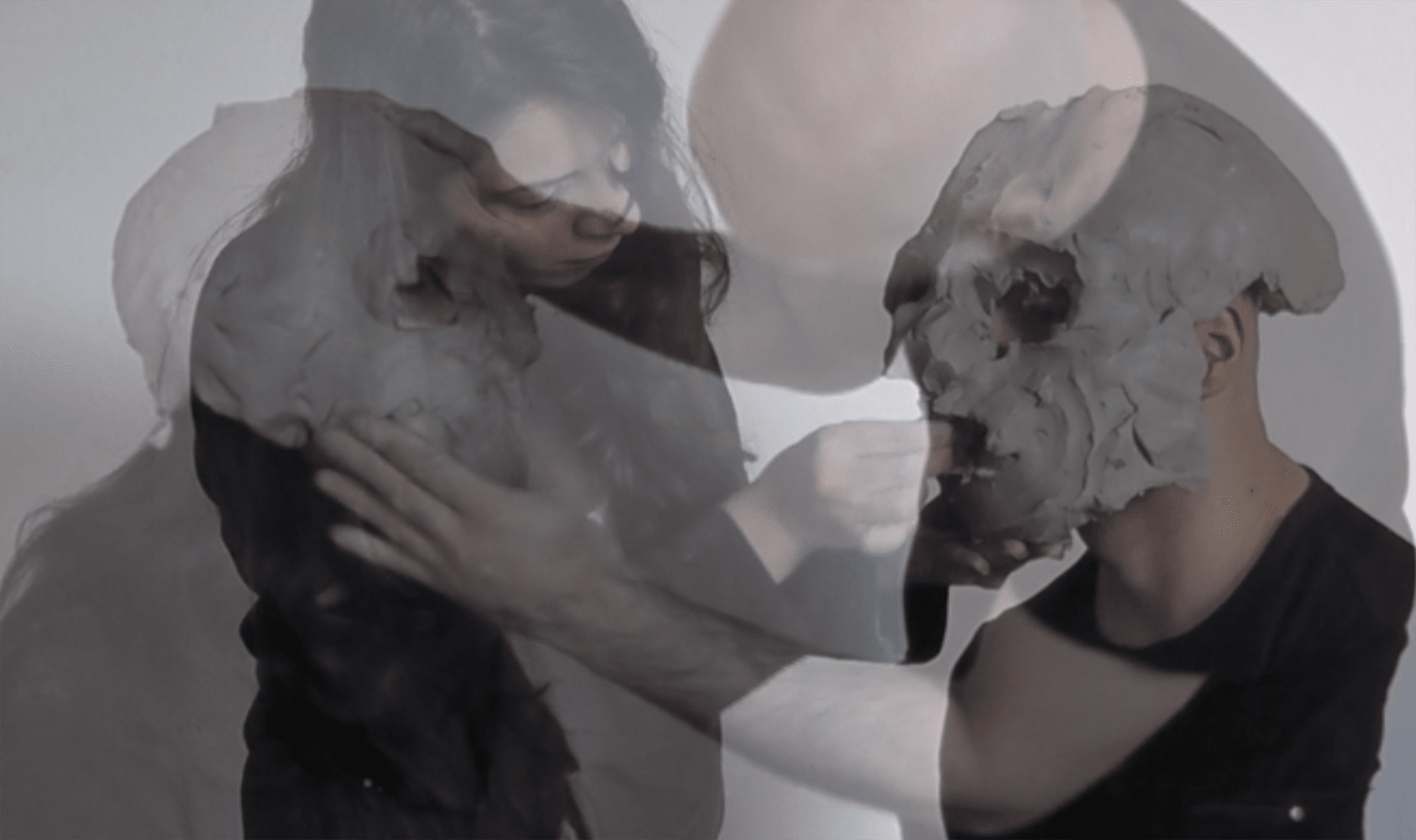
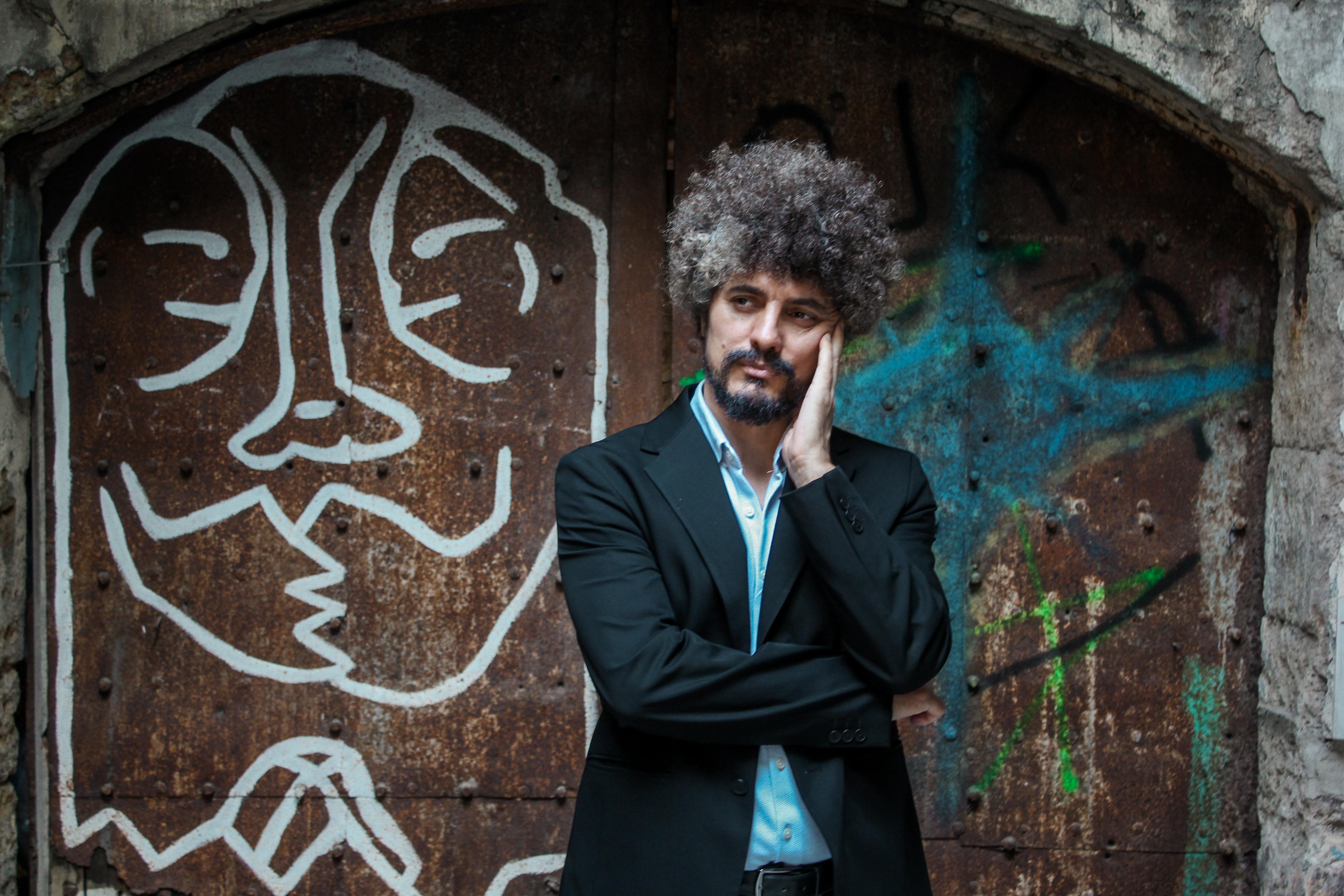
Born and raised in South Kurdistan, Havîn Al-Sîndy is an artist whose practice unfolds between Berlin, Düsseldorf, and Kurdistan. She completed her fine arts education at the State Academy of Fine Arts Stuttgart, earning the title of Meisterschülerin in 2019. She also studied biology and chemistry at the University of Duisburg-Essen and later attended Gregor Schneider’s class as a guest student at the Kunstakademie Düsseldorf. Working across sculpture, painting, video, performance, and installation, her practice brings together methods of scientific observation and artistic production. Materials such as earth, clay, plaster, paper, and fabric form the basis of her investigations into the relationships between the body, space, everyday life, and visibility. Her awards and distinctions include a fellowship from Kunststiftung Baden-Württemberg in 2021, the Egmont Schaefer Prize for Drawing in 2022, and the Helmut Kraft Foundation Award for the Advancement of Visual Arts in 2023. These recognitions reflect the growing institutional visibility of her work within Germany’s contemporary art scene.
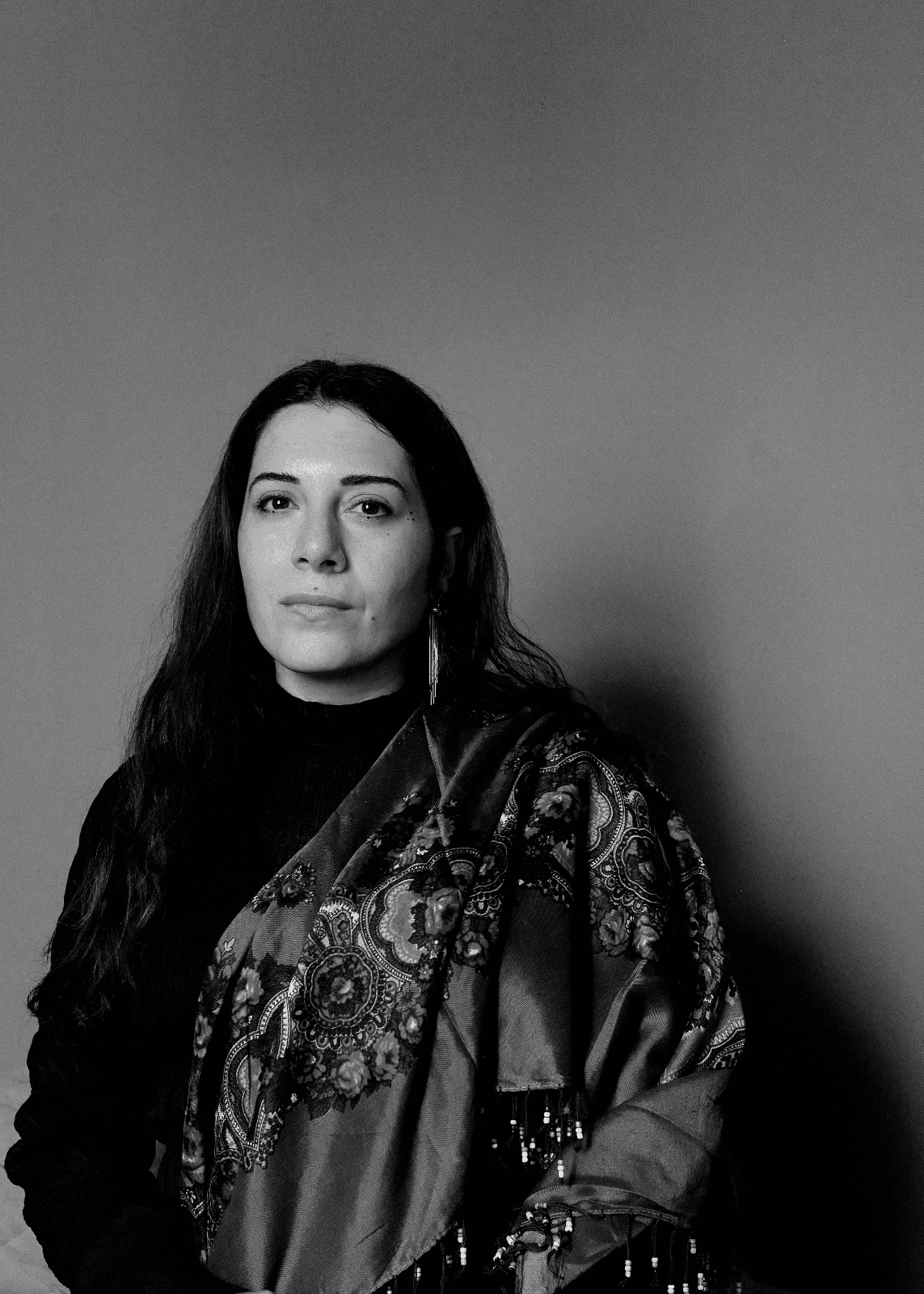
Havîn Al-Sîndy
Al-Sîndy’s recent exhibitions demonstrate that her practice extends beyond contexts focused exclusively on Kurdish art. In 2024, as part of Vienna’s curated by festival, she participated in Crime as Ornament, curated by María Inés Plaza Lazo at Galerie Crone, alongside artists such as Shilpa Gupta, Marcel Odenbach, and Kandis Williams. That same year, she took part in the Kurdish Video Art exhibition at Galerija Meno Parkas in Kaunas. In 2025, she participated in a collaborative project with young people as part of Temporary Gallery’s Visible, invisible, irrelevant? project in Cologne, and presented her work A Little Bird Whispered in the exhibition Ex Nihilo – Prozesse künstlerischer Arbeit at Kunsthalle Barmen. During the 2025–2026 period, she participated in Grund und Boden. Wie wir miteinander leben at Kunstsammlung Nordrhein-Westfalen’s K21 venue in Düsseldorf, alongside artists such as Joseph Beuys, Andreas Gursky, Gordon Matta-Clark, Simone Fattal, and Maria Thereza Alves. In 2026, she was among the participants in Manifesta 16 Ruhr, for which she produced the works Kulî (Locust) and How to Carry a Locust. These exhibitions demonstrate that while Al-Sîndy’s practice remains engaged with the historical and geographical contexts of Kurdish art, it also contributes to broader contemporary art discourses surrounding land, labour, property, housing, coexistence, collective production, and ecology.
Among Al-Sîndy’s notable works are Persona, Traces, Mapping Movements, Digging, Burying, Interring, and Exhuming, Testimony of Boundaries, Nanê rêk, Figures on Lines, Kras û Fistan, Plastik Blumen, Uda, Dusty Stone, Wolves, Ein Bild von einem Lehmhaus, In the Aftermath, An Image of a Gate, Visible, invisible, unimportant?, and A Little Bird Whispered. Her works have been exhibited at various institutions across Germany and Europe. She has received the Kunststiftung Baden-Württemberg fellowship in 2021, the Egmont Schaefer Prize for Drawing in 2022, and the Helmut Kraft Foundation Advancement Award for Visual Arts in 2023.
At FIREZZ, we do not wish to limit this dossier to a single artist profile. We welcome original contributions that explore Havîn Al-Sîndy’s practice through its different periods, works, materials, production processes, and conceptual concerns.
Open Call
We invite writers, researchers, art historians, curators, critics, and all those working in the field of contemporary art to contribute texts on the practice of Havîn Al-Sîndy.
Submissions may focus on a specific artwork, a body of work, or a particular concept, material, or mode of production within the artist’s practice. Contributions may also examine Al-Sîndy’s practice through the perspectives of contemporary Kurdish art, migration and displacement, architecture, body politics, womanhood, clothing, labour, everyday life, ecology, family, social relations, or the political and cultural meanings of materials.
We particularly encourage texts that engage closely with the artist’s works, examine their production processes and material dimensions in detail, and develop their theoretical frameworks through a close reading of the works themselves.
Suggested topics for the dossier include:
-
Space and architecture: Lehm an meinem/ihrem Finger – Ein Bild von einem Lehmhaus and other spatial works
-
Body and clothing: Kras û Fistan and the social construction of the body
-
Painting and visibility: Uda and the pictorial representation of the mother’s body
-
Material and materiality: earth, clay, adobe, plaster, fabric, paper, and the processes involved in working with these materials
-
Labour and production: manual labour, domestic production, architectural knowledge, and the relationship between materials and social relations
-
Displacement and spatial transformation: relationships between Zakho, Germany, and different exhibition spaces
-
Womanhood and body politics: the ways in which the female body is shaped through everyday, social, and political relations
-
Contemporary Kurdish art: the position of Al-Sîndy’s practice within contemporary Kurdish art
-
Ecology and materiality: relationships between humans, soil, structures, objects, and the environment
-
Scientific observation and art: the relationship between her background in biology and chemistry and her approaches to drawing, materials, and artistic research
-
Language and multilingualism: the role of language, voice, and movement between different languages in her artistic practice
-
Education and collaborative practice: the artist’s teaching activities and forms of collective production
-
Archive, biography, and memory: the transformation of personal experience into material and formal inquiry within artistic practice
These topics are not exhaustive. We also welcome original proposals that approach Havîn Al-Sîndy’s practice from other perspectives.
Structure of the Dossier
We envision FIREZZ’s Havîn Al-Sîndy dossier as a research and archival platform that can expand over time. Alongside contributions by different writers, we plan to include interviews, artist texts, images of artworks, exhibition information, and archival materials.
This initiative will not remain solely a digital dossier. In the future, we plan to bring together the texts and research accumulated through this project in digital publications, as well as in a printed artist’s book or a more extensive monographic publication.
For this reason, it is important to us that the texts submitted in response to this open call go beyond individual exhibition reviews and become part of a lasting archive of research and critical writing on Havîn Al-Sîndy’s practice.
Submission Guidelines
Applicants are expected to submit:
-
A 300–500-word text proposal,
-
A short author biography,
-
An indication of the artwork or artworks to be examined in the proposed essay.
Full texts are recommended to be approximately 2,000–4,000 words in length. Longer and more extensive research projects and dossier proposals may also be considered.
For submissions and inquiries:
Submission deadline: March 21
FIREZZ
Contemporary Kurdish Art

Comments
00