
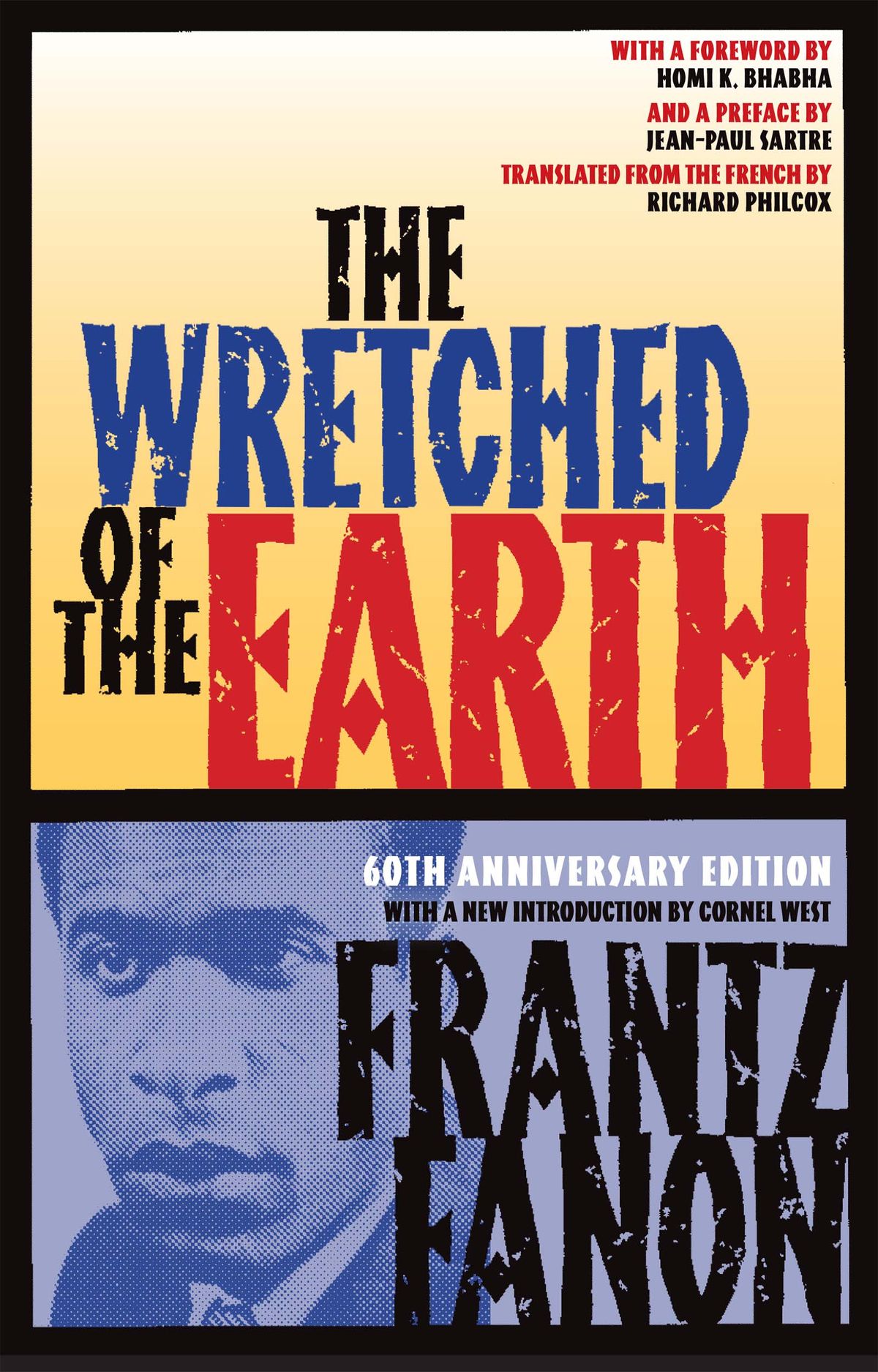
The deepest core of art is not a mere reflection of reality. But rather it is a radical conscious action that uses the subject (perpetrator) by regaining authority over external factors through providing artistic forms. When talking about art as a defense mechanism, we can define art as a the Breath of theRebellion. Franz Fanon’s Breath of Rebellion defined in his book The Wretched of the Earth with in his article named About National Culture. Fanon uses the term as the following; ‘the breath that doesn’t allow a conquered nation to suffocate.’ He states: ‘Any movement, artwork, poetry can become a calling for life. A life that is under the threat of erasure and identity reclamation.’. For Fanon art is the mental mechanism to fix and heal the individual that colonialism aimed to create muted Individual of.
This Breath of Rebellion resonates with the reality of the Kurdish relentless resilience and endurance, in which each individual is a fighter within their own scopes against colonialism and its influence. A fighter is more than a weaponized individual in a war. Ultimately for the Kurds, a mother who teaches her child her own language that faces erasure and is forbidden, is also a fighter as much. An artist who creates artworks with the awareness of what happens to him can also be a fighter. Art has never been apart from the sphere that extrudes resilience, survival, and salvation against influence and effects the colonial power. Art creates the anthological grounds which nations and communities start to provide meaning for, instead of surrendering to erasure and the destiny of degradation.
Within this narrative an argument arises: How can art be utilized as a mechanism against colonialism and its accessories, while its fundamental aims is creating aesthetics?
This essay discourses that subject, unlike the display of artistic works in the exhibition that engages with emotionality, this essay tries to bring a contrast perspective of logicality to the subjects in the general sphere of the exhibition that exists within different layers. Because Endurance itself will go into Kurd’s indelible history and archives that uses art and literature to empower its miracle-like endurance that it persists with.
To further along the above argument, we can look into Elaine Scarry renowned book On Beauty and Being Just. It argues that aesthetic and beauty in art are a form of defiance against violence. It previews that violence belittles the world, but art expands it. Besides this Scarry Argue that seeing beauty, pushes individuals away from self-centredness and direct them towards justice.
This way art becomes a mental mechanism for colonised people. An aesthetic form, even if portrays pain, is a way of rearranging the mental environment of society, so it doesn’t drop into a pure hopelessness that kills the desire for life.
Scarry states: ‘Beauty creates de-centring, when an individual gazing at an artwork it forgets their own self and the associated personal pains while briefly becoming part of a bigger universe. This is similar to defense mechanism, Because it stops injustice and pain from conquering all folds of the brain. Beauty returns the feeling of aliveness to humans.’. For Scarry, beauty isn’t just a temporal pleasure, but it is the return of balance to a consciousness that is under the pressure of violence.
1. About the Term: A Philosophical Reflection on the term Endurance
Endurance is not survival or resilience alone. The english words has its etymology delivered from the Latin Indurare which reveals its sonic intensity as it carries into the pronunciation. In a sense showing a side of solidarity and solidifying as if it changes under pressure. Becoming a different state from the pre-pressure impact. Yet the effector is still active, because people don’t just endure but they practice it actively, dedicating oneself for it and gives it time and chooses to go on. Even if there is no such choice. The fundamental stress that is between the weakness of accepting pain and activity of endurance and between enforced crises and sorrow that miraculous endurance protects existence. The active endurance itself becomes the defined of the individualistic and nationalistic context that the conquered people live through.
An exhibition that presents a selection of Kurdish artworks from different generations medium and geography named Endurance. Standing afoot of displayed artworks in this exhibition, isn’t facing an event of showcasing aesthetics and beauty, it is a defiance to the anthology that exist behind the artworks, it is the intensive historical background that connects the artworks to their history with an unbreakable link.
This is exactly the aura that each of the artworks. Each telling the living proof story of the collective endurance. The audience doesn’t only look at the artworks, but the artworks look back at them, it drags them into the ignored atmosphere that allowed their geography of origin to become the ashes of their back to back war. They accuse everyone of being silent in the face of what they have been through.
Endurance doesn’t suggest an existence as victimhood monument but the manifestation of the word itself, a declarative stance against the forces that turned their existence and land into an eternal place of insecurity and continuous danger.
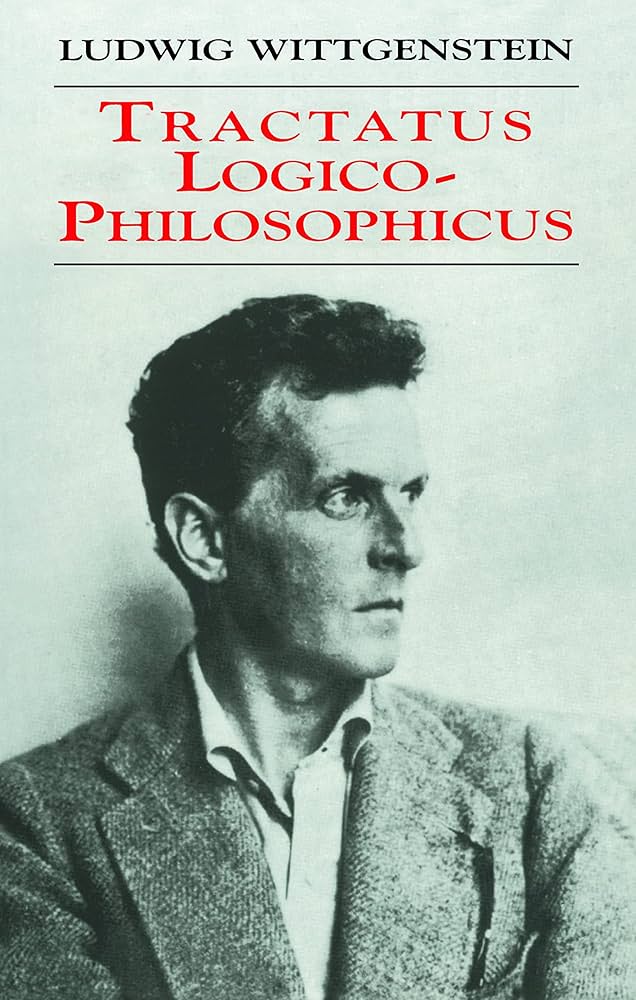
Ludwig Wittgenstein enlightens us with a the important of language to humans in a statement in his book Tractatus Logico-Philosophicus. It goes as follows ‘The limits of my language, are the limits of the world in me’. for more than a century, Kurds have been under intensely continuous political violence among four nations states. It has faced systematic attack on this exact ‘limit’. This limit translating into language. Based on the Wittgensteinian implication means on its general existence. Yet we can look at Endurance exhibition as a challenge that still thinks in Kurdish, extending into the displays and suggestions. The artists are men and women of a land that that the authoritative colonial nations split apart by drawing borders with pencil on a map, they are people of those villages that would be destroyed and the political records of the destruction would be reduced to a mere “Security operation”. The artworks are not just a mere exhibitional representation of endurance, but theembodiment of it.
This essay doesn’t arrange a historical or artistical catalog of the displayed artworks. Instead it tries to tell a panoramic reflection of philosophy, art and politics for the historical, psychological, geopolitical and cultural situation that has resulted in the creation of these artworks. To understand Endurance, one must understand Colonialism, and to not view it as a bygone occurrence, but as an on-living structure; to be viewed as chronicle illness that morphs in different ways rather than a healed wound. Morphing while its fundamental rationale is identity appropriation, erasure, and classification of humans. Kurds are not to be perceived as a margin, because ultimately they are the living disproof of the post-colonial myth.
2. A Scar That Keeps Bleeding: Colonialism for Quijano and the Kurdish Cause
Aníbal Quijano, a Peruvian sociologist, presented the term Coloniality of Power for the first time. Used to differentiate it from colonialism as the organization of law and administration that exists in formal institutes, like authority, military and flag among others. This and the term coloniality which is the deep infusion of intellectual and anthological product that colonialism establishes and remains alive even after the formal retreat of the conquering power.
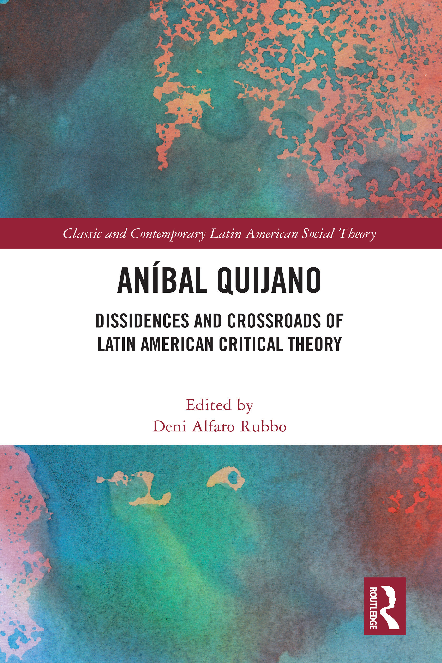
In Quijano’s perspective, colonialism as an event, is the historical stage in which a country conquers another country in a physically, with the use of military power. In this scenario when the conquering power recedes and lowers its flag, gaining the other nation their independence is the point where colonialism ends as an administrative system.
Quijano states: ‘Coloniality as a structure, remains even after the military and foreign judges are gone. It is the logic, mindset, system and plan that the colonial power leaves as residue.’ Quijano calls this authority coloniality which is present in three layers:
First - Race: The conquering power classes the individuals at different levels. It shows that the conqueror is the superior human while the conquered, being the indigenous people are at a lower level. This hierarchy stays in the psyche even after the colonial power retreats.
Second - Intellect: The conqueror portrays their own science, knowledge and language as the development while painting the art, culture and language of the conquered nation as backwards, barbaric and folkloric.
Third - Anthology: The conqueror infiltrates the being of the conquered humans. Making the conquered human feel less in their existence except of what is similar with conqueror.
Quijano furthers the argument: ‘Colonialism is over, but coloniality is not. Rather it has jumped into the hierarchy of race, intellect, administrative and subjectivity of the humans.’. An event that still directs the global system to this day. This results in changing the relative coloniality from a direct appearance to a vague environment that is commonly beneficial and important to keep it in paint it vague, while making an escape impossible for those who need to run away from it.
The Kurds experience what can be represented as double coloniality. A state, that not only hasn’t healed from the coloniality wounds, but has been further ‘salted’ (as the Kurdish expression of applying more pain is) by the taken nationalistic stance of the overruling powers that paradoxically to the Kurdish stance, arises during their most anti-colonialism moments of the over rulers.
In 1916 Kurds underwent the European colonial system through the secretive diplomatic arrangement known as Sykes-Picot. Then the ultimate betrayal of their rights in the treaty of Sèvres in 1920. Woodrow Wilson’s The Right of Self-Determination principal had promised an autonomous Kurdistan, which was nullified during the Treaty of Lausanne agreement in 1923 under the pressure of the Turkish nationstate. In this recursive chain of establishing and nullifying agreements, Kurds experience the most violent form of colonialism; structural violence. It was a process that used the body and land as a tool of geopolitical negotiation for different sides. Sides which didn’t admit to the existence of a Kurdish subjectivity, voice and rights in relation to identifying themselves on said lands.
What followed next wasn’t de-colonialisation, instead enforcing four different colonial structures under the flags of Turkey, Iraq, Iran and Syria. Post-colonialism nationalities that had the race and land of the colonial organization which their existence was born from. Each of these nation-states used different techniques, drove the Kurds into a process that Frantz Fanon defies as subjectification ofcoloniality. It means: the systematic desolation of culture, language, history and the selfhood of the colonized individuals so that an enforced identity can replaced as the subjectivity of the nation states. In Turkey Kurdish language was forbidden from public for decades. In Iraq the Ba’ath Regime started the Anfal Campaing between 1989 - 1986 under the command of Saddam Hussein, which based on every constitutional standard is a genocide, in a project that was called Arabization, all while using chemical weapons against civilians. In syria and Iran, similar projects to erase the Kurdish language and culture in different times were intensely practiced. Which would occasionally be interrupted by attacks and killing sprees.
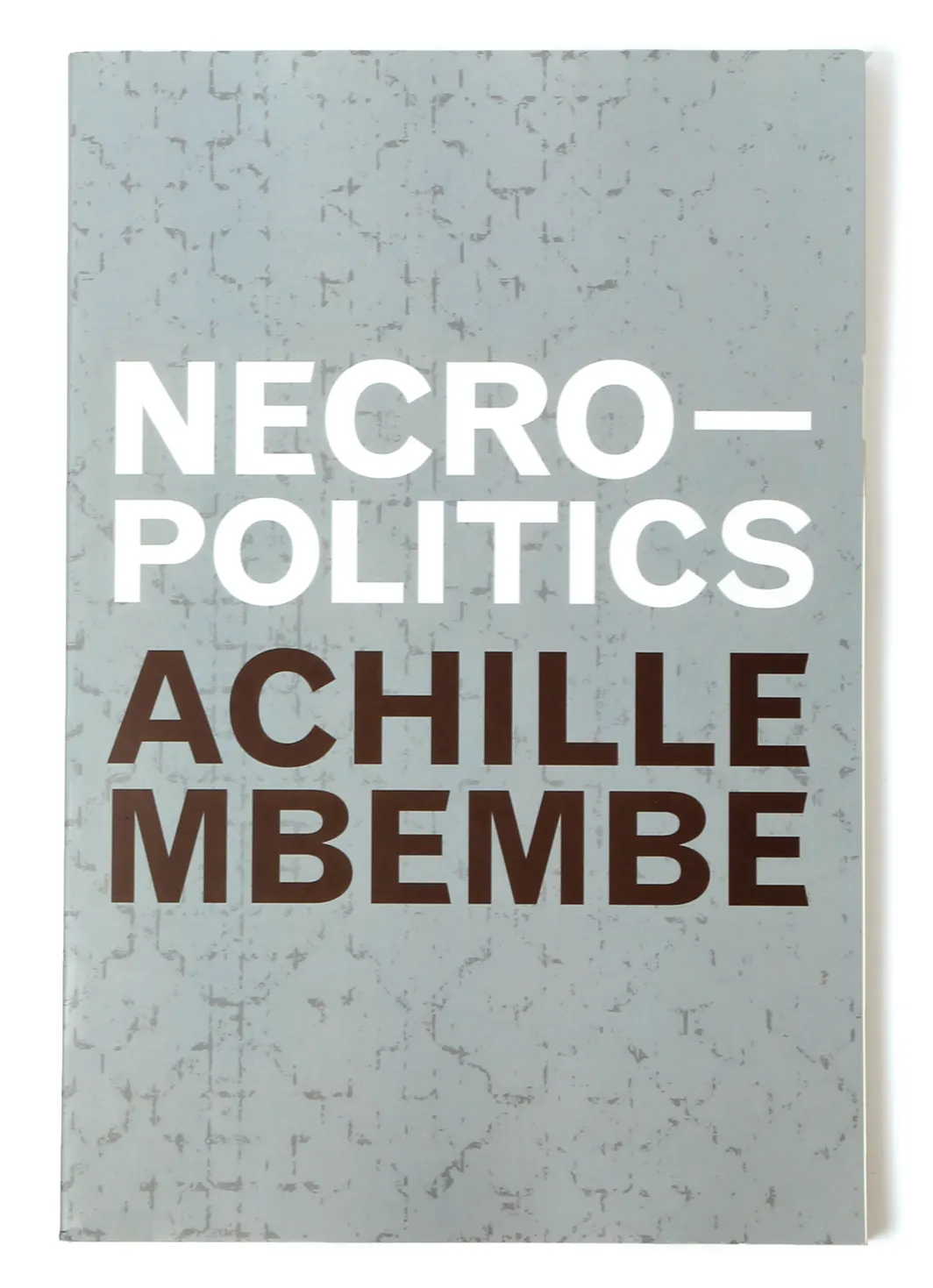
The post-colonial philosopher Achille Mbembe argues via the renowned essay Necropolitics: That independence in the modern world no longer structured through the “right of giving life”’ referring to Foucault’s bio power ‘But through the right of death or allowance of death’. The cause of Kurds applies this Thanatopolitics to a terrifying details. Being a Kurd in twentieth century, means being a residence of what Mbembe calls the world of the dead. A void where the superior logic is in charge of deciding whose lives are worth a funeral, whose death is accounted and whose destruction require clarification. Kurds were systematically burdened with all of these. Yet, The world of dead cannot eliminate subject, just as Endurace suggests through the collection of the artworks. The world of the dead, ironically creates a life of adventure and rebellion despite living on the edge of danger.
3. Working as Anti-Instituition, Counter Funding and the Term Force of Law for Jacques Derrida and a Few Pinches
Jacques Derrida argues a term called force of law: ‘Law always starts through violence and then little by little displays itself as the fundamental truth. Any system that is the product of a declaration, agreement or constitutional organization in the modern world that rules Kurds, do so as a justified rule in which the reality of isn’t anything but a ruling that was enforced without the will of the Kurds themselves. Each of these administrative systems were the products of a violent takeover. The Lausanne agreement of 1923 which removed the possibility of an independent Kurdistan (which was imagined by the Sèvres agreement for a brief period) can’t be perceived as a constituted judgement by Kurds. It is experienced in what Derrida names the Foundational Violence. Speaking Kurdi in an Amed courthouse or the request for studying in Kurdish within a school in Qamishlu is not a mere invitation to the occupying authority to provide cultural rights, but appears as a shake to the historical fundamental of violence based on Derrida’s force of law, which paints the rulers actions as performed facade of justice and constitutional foundation.
The artists in Endurance are on this Derrida flow, whether directly or indirectly. Because they are not simply represent the past but perform an anti-institution/anti-funding stance. They present artistic work as a replacement archive of anti-memory in rejecting the nationalist narrative that paints the existence of Kurds as a resolved matter of law and force. We see that Faek being the oldest artist, alongside Awaz the youngest participant, both present a common theme of including war, crises, tragedy and memory which ultimately is the result of the left and right lines that the occupying nations drew across the maps. It is observed that the artists are creating a dialectic image such as Walter Benjamin remarks about: “The true picture of the past flits by. The past can be seized only as an image which flashes up at the instant[present] when it can be recognized and is never seen again.”. This proves the reality of art never being apart from the collective endurance. There is no way where you can part art from the enduring process. Art has been present whenever Kurds needed to endure. Even if it was just an expressive act, art played a role of providing hope.
Through this exhibition the Kurdish artists display a statement; Look how much we are enduring, we are enduring the direct and indirect results of your colonialism.
They call to see how far Kurds are from the self reflection of authoritative countries who are participating in “decolonization” while still colonizing Kurds! They call to highlight that Kurds are occupied twice by coloniality, Once you and once more the countries the Kurds have been divided amongst. They call to the reality: We don’t have space to heal, and no one reflects about their occupation of us. The artists proclaim: That even when you fit us into the cultural and artistic circles, we still have to be presented as Iraqi, Iranian, Syrian, or Turkish artists, all whole it is part of that participation to remedy the account that you have structured, when you don’t even allow me to be a Kurd within it. This display is a pinch of warning to ask “What self-reflection? When my blood is still fresh”.
4. A Psycho Analytical View on the Exhibition: When Different Generations Align to Give Form to Endurance
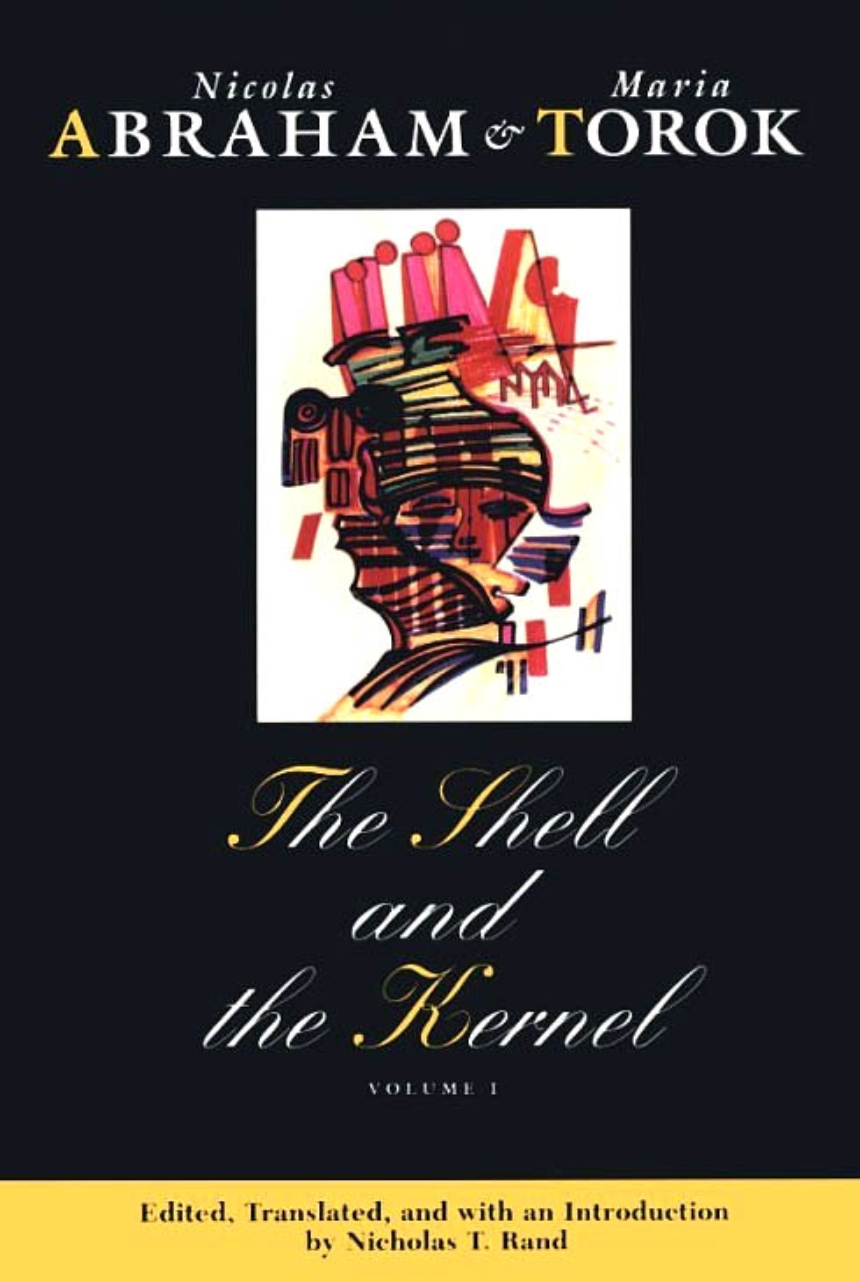
The two French psychoanalytic Abraham Nicolas and Torok Maria used the term transgenerationl phantom, they were observing the negative psychological remnants that jumps from a generation to another, without the newer generation experiencing the actual events. They describe it as unprocessed trauma that instead of reactions, it forms a code and is integrated into the next generations subconsciousness. The ‘phantom’ is the void from which the transportation occurs from the survivor to the next generation, the trauma travels silently, it will be in the psyche of the children and descendants, resonating as a formless fear. They don’t realize the source of this traumatic experience consciously, yet carry its effects in their embodiment. This theoretical framing highlights the aspects that doesn’t come to light by simple auditioning at the exhibition. The younger artists in Endurance haven’t witnessed the Anfal campaign, nor were they in Halabja’s chemical attacks, they didn’t see the burning villages and didn’t hear the choppers. despite the fact that they have experienced different kinds of war and conflict such as the war on ISIS terrorist, Yet their artworks carry rays of the same content present in the older generation artists. Although part of this similarity can be due to the inheritance of the style of work, but that is not all that there is too it. It is rather the embodiment of the Marianne Hirsch’s Post-Memory classification when writing about the children of the holocaust survivors. It is described as the link between the next generation and the powerfully traumatizing and generalized experience of their parents went through before they were born. The experiences that only exist as stories, images and behavior within their memory during life, yet they are so powerful they exist as independent memory in their psyche.
Endurance adds post-memory into the discourse alongside direct memories, to present a dialog among the generations that continuously shows the colonial wounds. When the pencils of an experienced artists are depleted into tiny sharp stumps for creating a black and white drawing that seem like a hundredth bit of an expressionistic painting is presented in the same space as photo of a younger artist, they don’t disclose two different time periods; they talk about the same irregular state of continuation which has been disclosed through different body, dictionary, intellectual horizons and techniques. Fundamentally however, it is occupied with telling the same tragedy that hasn’t concluded yet. This curation is of course curtsy of Niga Salam’s brilliance in selectively choosing the artworks. The selection being a testament of the presence state of the colonial wound not as history, but as now.
The artworks in Endurance are not the contemporary statement of past events; they are the blatant rupture of the events which never reached the international awareness which chose to turn a blind eye to them.
Conclusion
Here we can reach that conclusion that Niga’s curation and Endurance are another attempt among thousands to face against what is called decolonisation for powers who don’t see themselves as part of that process. They can’t imagine that there is no resolution suggested for the enormous outcomes of those who are bound to endure, this to result in art as a powerful civil way to manifest a rebellion, showing dissatisfaction and anger against the entirety of the management system of the world. Where the desires of the other are out of their own. Placed in a margins of history in an ongoing state of ‘don’t live, don’t die’. This places art in its Adornoian meaning. For Adorno the most fundamental function is the criticism of existence which translates to obtaining independence. He state: For art to be real it needs independence. To be autonomous it needs to be free of the influence of ideology, to de-influence ideology, it needs to create a protesting criticism.
Bibliography
Abraham, Nicolas, and Maria Torok. The Shell and the Kernel: Renewals of Psychoanalysis. Vol. 1. Edited and translated by Nicholas T. Rand. Chicago: University of Chicago Press, 1994.
Adorno, Theodor W. Aesthetic Theory. Edited by Gretel Adorno and Rolf Tiedemann. Translated by Robert Hullot-Kentor. Minneapolis: University of Minnesota Press, 1997.
Derrida, Jacques. "Force of Law: The 'Mystical Foundation of Authority'." In Deconstruction and the Possibility of Justice, edited by Drucilla Cornell, Michel Rosenfeld, and David Gray Carlson, 3–67. New York: Routledge, 1992.
Fanon, Frantz. The Wretched of the Earth. Translated by Richard Philcox. New York: Grove Press, 2004.
Hirsch, Marianne. The Generation of Postmemory: Writing and Visual Culture After the Holocaust. New York: Columbia University Press, 2012.
Jwaideh, Wadie. The Kurdish National Movement: Its Origins and Development. Syracuse, NY: Syracuse University Press, 2006.
Mbembe, Achille. "Necropolitics." Translated by Libby Meintjes. Public Culture 15, no. 1 (Winter 2003): 11–40.
Quijano, Aníbal. "Coloniality of Power, Eurocentrism, and Latin America." Nepantla: Views from South 1, no. 3 (2000): 533–80.
Scarry, Elaine. On Beauty and Being Just. Princeton, NJ: Princeton University Press, 1999.
Wittgenstein, Ludwig. Tractatus Logico-Philosophicus. Translated by C. K. Ogden. London: Routledge & Kegan Paul, 1922.
Benjamin, Walter. "Theses on the Philosophy of History." In Illuminations: Essays and Reflections, edited by Hannah Arendt, translated by Harry Zohn, 253–264. New York: Schocken Books, 1968.
info@firezz.com

Comments
00